
Blog
Deadstock Fashion Explained for Real Buyers

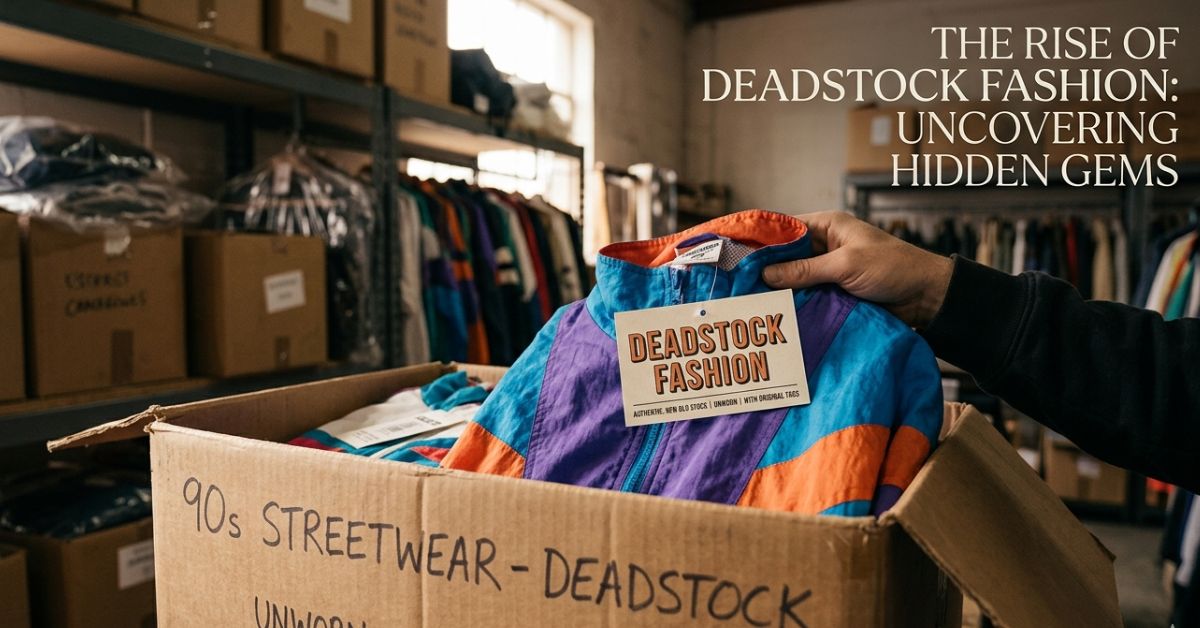
Although the term “deadstock fashion” sounds trendy, for actual consumers, it primarily refers to making good use of already-existing materials. Deadstock, to put it simply, is leftover fabric or excess material that was never used in the original design, frequently due to overordering, production cancellations, incorrect colors, or mill leftovers.
While Fashion Revolution points out that pre-consumer waste can be substantial during production, Good On You defines deadstock as excess fabric that is frequently offered as a sustainable substitute.
Deadstock vs. Overstock vs. Vintage
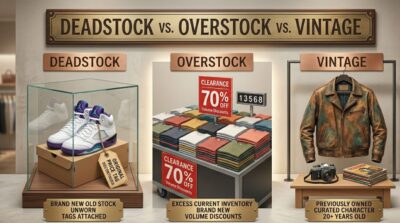
Overstock and deadstock are two different things. Overstock is unsold finished goods, whereas deadstock typically refers to excess fabric or materials before they become finished products. Once more, vintage refers to previously owned goods from a bygone era.
Because each category has unique quality risks, pricing logic, and sustainability value, purchasers care about this distinction. Ask for details and consider a seller’s loose mixing of those terms to be a red flag.
What Makes Deadstock Fashion Different From Regular Clothing?
Vintage and secondhand clothing are not the same as deadstock fashion. Pre-owned apparel from a previous era is referred to as vintage. Secondhand has been worn previously. In the supply chain, deadstock typically begins as leftover material that is later transformed into a new product. This distinction is important because you are purchasing something that is still in the early stages of production, even though it may be unique and limited.
A real-world example
A modest brand might make a 30-piece blazer run out of leftover Italian wool from a luxury order that was canceled. Another company might purchase extra cotton twill and use it to create sturdy tote bags or work shirts. Because the material is already available, the design is useful, and the final product is probably going to be worn frequently, those are good deadstock purchases. The value is more than just “eco”; it is practical, constrained, and frequently well-made.
Why Does Deadstock Fashion Matter To Buyers?
Fashion waste is enormous, so it matters. According to the Ellen MacArthur Foundation, a garbage lorry of clothing is burned or buried in a landfill every second. UNEP estimates that 92 million tonnes of textile waste are created annually worldwide. According to Fashion Revolution, up to 15% of the fabric used to make clothing may wind up on the cutting room floor. Instead of putting additional virgin fabric through the system, deadstock helps make use of some of that already-existing material.
What Those Numbers Mean In Plain Language
They are saying that deadstock is not a small, specialized problem. Even before a garment is delivered to a buyer, a significant proportion of usable textile material is wasted. Purchasing deadstock helps maintain material in use and, in certain situations, lessens the demand for new manufacturing, but it won’t solve the industry as a whole.
How Do We Know If Deadstock Is Worth Buying?
The rarest deadstock isn’t always the best. It is the one with a distinct fabric story, a good fit, and durability. Because the fiber is still important, Good On You cautions that deadstock is not always sustainable. A deadstock cotton cloth is still only as excellent as its structure and quality; a deadstock polyester fabric is still polyester.
What Should You Check Before Buying Deadstock?
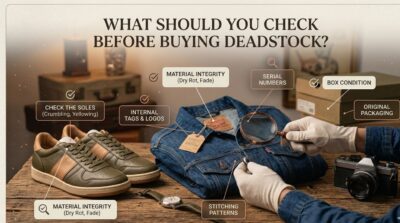
Ask Four Question:
- How much fiber is there?
- What was the source of the fabric?
- What makes it deadstock?
- Is it possible to find it again?
A reliable vendor should provide a clear response. The sustainability claim is weak if they are unable to provide an explanation. Deadstock frequently results from overproduction, incorrect color runs, or leftover mill stock, according to FashionUnited and other industry sources, therefore the narrative should be precise rather than ambiguous.
My Practical Rule For Buyers According To My Experience:
Use the same criteria to evaluate deadstock as you would any other item of clothing: fabric, fit, construction, and wearability. A gorgeous deadstock jacket that fits poorly or pills fast is not a wise purchase. The better investment is a basic deadstock shirt that fits well with a variety of ensembles, feels well, and washes well. That is the distinction between worth and novelty.
What Are The Biggest Mistakes Buyers Make?
The most common error is to assume that the term “deadstock” implies ethics or quality. It doesn’t. Purchasing anything just because it’s limited edition is another error. Scarcity can create excitement, but it does not make a poor garment better. A deadstock item should be justified in your closet by its practicality rather than its marketing.
Example of a smart versus weak purchase:
A blue wool jacket with strong stitching and a classic design could be a wise deadstock purchase because it can be worn for many years. A showy piece fashioned from leftover fabric that is poorly cut, uncomfortable to wear, and difficult to style could be a substandard purchase. The item’s sustainability advantage is only significant if it is used.
Is Deadstock Fashion Always Sustainable?
No. Deadstock can cut waste, but it doesn’t immediately address the larger issues in fashion. The system as a whole continues to generate and waste excessive amounts of apparel. According to UNEP, clothing production doubled between 2000 and 2015, but clothing use decreased by 36% during the same time, demonstrating the importance of both buying better and buying less.
The honest takeaway:
When the product is well-made, the seller is upfront, and it makes good use of existing material, deadstock is a good choice. The label is not magical. Customers who are aware of this will make wiser choices than those who pursue sustainability-related keywords without verifying the information.
Final answer: Should Real Buyers Choose Deadstock?
Yes, if the piece is high quality, useful, and clearly sourced. Deadstock fashion is strongest when it helps you buy something you will actually wear while making better use of material that already exists. That is why it works: it is practical, limited, and more thoughtful than most fast-fashion purchases.
FAQs
What does deadstock mean in fashion?
Deadstock in fashion means unused fabric or materials that were originally produced for a different purpose but never used. These materials are then repurposed into new clothing instead of being wasted.
Is deadstock fabric good quality?
Yes, deadstock fabric can be high quality, but it depends on the original source. Some deadstock comes from premium mills or luxury brands, while others may include flawed or surplus material, so buyers should always check fabric type and construction.
Is deadstock fashion sustainable?
Deadstock fashion is more sustainable than producing new fabric because it uses existing materials and reduces waste. However, it is not fully sustainable on its own since the environmental impact still depends on the original fabric and production process.
What is the difference between deadstock and vintage clothing?
Deadstock refers to unused materials or sometimes unworn items, while vintage clothing is pre-owned and typically from an earlier era. Deadstock is usually new in condition, whereas vintage has been previously worn.
Why is deadstock clothing often limited edition?
Deadstock clothing is limited because the fabric supply is finite. Once the leftover material is used, it usually cannot be reproduced, which makes each collection small and often unique.
